Non ridere, non lugere,
neque detestari,
sed intelligere.
Non ridere,
non lugere,
neque detestari,
sed intelligere.
Non ridere, non lugere,
neque detestari,
sed intelligere.
Do not laugh, do not grieve,
do not hate, but understand.
Do not laugh,
do not grieve,
do not hate,
but understand.
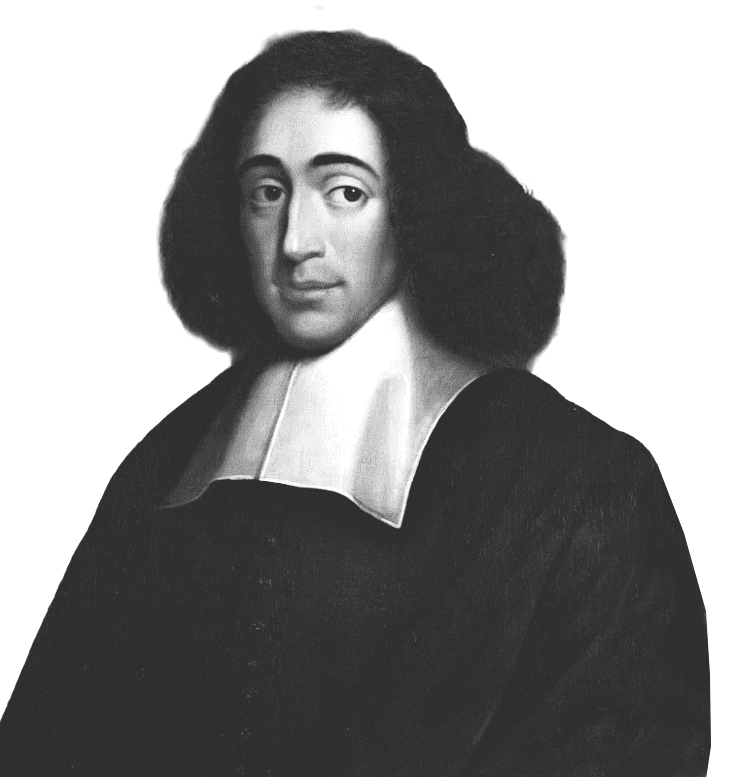
Baruch Spinoza
Baruch Spinoza

[ our mission ]
We teach leaders to understand people more deeply and manage with greater precision and effectiveness
We teach leaders to understand people more deeply and manage with greater precision and effectiveness
We teach leaders to understand people more deeply and manage with greater precision and effectiveness
[ our values ]
[ 1 ]
[ 1 ]
Personal Autonomy
We place individual autonomy above any system.
We value a deep understanding of another person not in order to adapt to them, but to gain freedom from automatic reactions and consciously choose the most effective path of shared development.
Personal Autonomy
We place individual autonomy above any system.
We value a deep understanding of another person not in order to adapt to them, but to gain freedom from automatic reactions and consciously choose the most effective path of shared development.
[ 2 ]
[ 2 ]
Freedom to Choose One’s Environment
We believe that a mature adult defines the context of their own life.
We value a person’s ability to step out of destructive interactions and intentionally create an environment that respects their boundaries, accepts them, and strengthens their authenticity.
Freedom to Choose One’s Environment
We believe that a mature adult defines the context of their own life.
We value a person’s ability to step out of destructive interactions and intentionally create an environment that respects their boundaries, accepts them, and strengthens their authenticity.
[ 3 ]
[ 3 ]
Non-Coercive Influence
For us, influence is acceptable only when it preserves another person’s freedom of will.
We value approaches to management grounded in scientific methodology, humanistic principles, aesthetics, and precision of action — approaches that inspire genuine willingness to engage without the slightest pressure on a person’s subjectivity.
Non-Coercive Influence
For us, influence is acceptable only when it preserves another person’s freedom of will.
We value approaches to management grounded in scientific methodology, humanistic principles, aesthetics, and precision of action — approaches that inspire genuine willingness to engage without the slightest pressure on a person’s subjectivity.
Non-Coercive Influence
For us, influence is acceptable only when it preserves another person’s freedom of will.
We value approaches to management grounded in scientific methodology, humanistic principles, aesthetics, and precision of action — approaches that inspire genuine willingness to engage without the slightest pressure on a person’s subjectivity.
[ 4 ]
[ 4 ]
Intellectual Independence
Maturity is, above all, the ability to think and act independently.
We value the balance of intellect, will, and empathy as the foundation for sovereign decisions guided by inner meaning rather than external social pressure.
Intellectual Independence
Maturity is, above all, the ability to think and act independently.
We value the balance of intellect, will, and empathy as the foundation for sovereign decisions guided by inner meaning rather than external social pressure.
Intellectual Independence
Maturity is, above all, the ability to think and act independently.
We value the balance of intellect, will, and empathy as the foundation for sovereign decisions guided by inner meaning rather than external social pressure.
[ 5 ]
[ 5 ]
The Right to One’s Own Path
Movement toward maturity is a personal choice that requires the voluntary expenditure of psychic energy.
We value every person’s right to determine the intensity and direction of their own growth, and we provide tools to make that path free, conscious, and harmonious.
The Right to One’s Own Path
Movement toward maturity is a personal choice that requires the voluntary expenditure of psychic energy.
We value every person’s right to determine the intensity and direction of their own growth, and we provide tools to make that path free, conscious, and harmonious
The Right to One’s Own Path
Movement toward maturity is a personal choice that requires the voluntary expenditure of psychic energy.
We value every person’s right to determine the intensity and direction of their own growth, and we provide tools to make that path free, conscious, and harmonious
[ our vision ]
Psychology as a Management Standard, not “Intuition”
We envision a future in which understanding people is not a gift reserved for a select few, but a learnable managerial skill.
While finance, strategy, and processes are measured, the human factor often remains a blind spot — and it is precisely this blind spot that blocks implementation, breaks teams, and undermines agreements.
Our task is to turn working with people into a system: observable, verifiable, and reproducible.
Psychology as a Management Standard, not “Intuition”
We envision a future in which understanding people is not a gift reserved for a select few, but a learnable managerial skill.
While finance, strategy, and processes are measured, the human factor often remains a blind spot — and it is precisely this blind spot that blocks implementation, breaks teams, and undermines agreements.
Our task is to turn working with people into a system: observable, verifiable, and reproducible.
Psychology as a Management Standard, not “Intuition”
We envision a future in which understanding people is not a gift reserved for a select few, but a learnable managerial skill.
While finance, strategy, and processes are measured, the human factor often remains a blind spot — and it is precisely this blind spot that blocks implementation, breaks teams, and undermines agreements.
Our task is to turn working with people into a system: observable, verifiable, and reproducible.
Leadership Without Pressure
We are building a school of thought in which leaders manage not through emotion or force, but through diagnostic precision and the design of conditions.
We teach leaders to see the mechanics of behavior — motives, limitations, typical reactions, points of conflict, and sabotage — and to translate that understanding into decisions about hiring, delegation, roles, change, and responsibility.
Leadership Without Pressure
We are building a school of thought in which leaders manage not through emotion or force, but through diagnostic precision and the design of conditions.
We teach leaders to see the mechanics of behavior — motives, limitations, typical reactions, points of conflict, and sabotage — and to translate that understanding into decisions about hiring, delegation, roles, change, and responsibility.
Fewer Errors — Greater Resilience
Failed transformations, toxic teams, and chronic conflicts are most often not “about people,” but about system errors: misaligned roles, unrealistic expectations, inadequate rules, poor feedback, and misaligned meanings.
We envision a world in which leaders stop demanding the impossible and begin designing environments where productive work becomes the natural state of their participants, while systemic regression and chaos become the rare exception.
Fewer Errors — Greater Resilience
Failed transformations, toxic teams, and chronic conflicts are most often not “about people,” but about system errors: misaligned roles, unrealistic expectations, inadequate rules, poor feedback, and misaligned meanings.
We envision a world in which leaders stop demanding the impossible and begin designing environments where productive work becomes the natural state of their participants, while systemic regression and chaos become the rare exception.
A Community of Mature Adult Agents
We cultivate what we call structural realism:
differences are not hidden or suppressed, but turned into a resource for distributing roles and tasks;
plans are built on real capabilities, not on illusions, trends, or beautiful presentations;
influence is exercised ethically — through clear meaning, rules, and responsibility, without manipulation, because manipulation is a sign of weak tool.
A Community of Mature Adult Agents
We cultivate what we call structural realism:
differences are not hidden or suppressed, but turned into a resource for distributing roles and tasks;
plans are built on real capabilities, not on illusions, trends, or beautiful presentations;
influence is exercised ethically — through clear meaning, rules, and responsibility, without manipulation, because manipulation is a sign of weak tool.
Unified Methodological Stack
The Academy is not just a collection of interesting lectures, but an integrated system of courses that brings scattered knowledge into a single operational map: levels of consciousness, personality typology, motivation and needs, normative situations, creativity and routine, professional trajectories, social engineering, hardiness, and resilience.
We teach people to turn this body of knowledge into an effective toolkit tailored to their own challenges — from leading a large company to building healthier relationships within a family.
Unified Methodological Stack
The Academy is not just a collection of interesting lectures, but an integrated system of courses that brings scattered knowledge into a single operational map: levels of consciousness, personality typology, motivation and needs, normative situations, creativity and routine, professional trajectories, social engineering, hardiness, and resilience.
We teach people to turn this body of knowledge into an effective toolkit tailored to their own challenges — from leading a large company to building healthier relationships within a family.
We are building a school where understanding yourself and others produces measurable results: fewer management mistakes, greater precision in decision-making, fewer conflicts, and more sustainable outcomes — even under conditions of uncertainty.
We are building a school where understanding yourself and others produces measurable results: fewer management mistakes, greater precision in decision-making, fewer conflicts, and more sustainable outcomes — even under conditions of uncertainty.
We are building a school where understanding yourself and others produces measurable results: fewer management mistakes, greater precision in decision-making, fewer conflicts, and more sustainable outcomes — even under conditions of uncertainty.
[ our strategic goals ]

Increase the Precision of Management Diagnostics
Teach leaders to read people and situations quickly: motives, limitations, roles, risks of conflict and sabotage — so that decisions about hiring, delegation, and change are made not “by feel,” but through a working model.
Increase the Precision of Management Diagnostics
Teach leaders to read people and situations quickly: motives, limitations, roles, risks of conflict and sabotage — so that decisions about hiring, delegation, and change are made not “by feel,” but through a working model.

Strengthen Clarity of Thinking Under Pressure
Help leaders develop the ability to stay grounded in reality under uncertainty: to see where they are deceiving themselves, where they confuse wishes with facts, and where emotions are disguised as “rational decisions.”
Strengthen Clarity of Thinking Under Pressure
Help leaders develop the ability to stay grounded in reality under uncertainty: to see where they are deceiving themselves, where they confuse wishes with facts, and where emotions are disguised as “rational decisions.”
Strengthen Clarity of Thinking Under Pressure
Help leaders develop the ability to stay grounded in reality under uncertainty: to see where they are deceiving themselves, where they confuse wishes with facts, and where emotions are disguised as “rational decisions.”

Teach Leaders to Design Environments Rather Than “Push People Harder”
Shift management from manual control to the design of conditions: rules, metrics, feedback, degree of freedom, workload, and responsibility — so that teams grow steadily instead of slipping into regression.
Teach Leaders to Design Environments Rather Than “Push People Harder”
Shift management from manual control to the design of conditions: rules, metrics, feedback, degree of freedom, workload, and responsibility — so that teams grow steadily instead of slipping into regression.

Develop an Ethical Capacity for Influence
Teach leaders to influence not through manipulation, but through meaning and structure: to set goals that teams can genuinely accept without coercion, preserve people’s autonomy, and at the same time strengthen collective focus and discipline.
Develop an Ethical Capacity for Influence
Teach leaders to influence not through manipulation, but through meaning and structure: to set goals that teams can genuinely accept without coercion, preserve people’s autonomy, and at the same time strengthen collective focus and discipline.

Develop the Skill of Structural Realism
Teach leaders to see patterns beneath the surface: to distinguish trends from noise, causes from symptoms, and to act effectively even when an exact outcome cannot be predicted — but the right direction can still be chosen with precision.
Develop the Skill of Structural Realism
Teach leaders to see patterns beneath the surface: to distinguish trends from noise, causes from symptoms, and to act effectively even when an exact outcome cannot be predicted — but the right direction can still be chosen with precision.
[ author and course leader ]
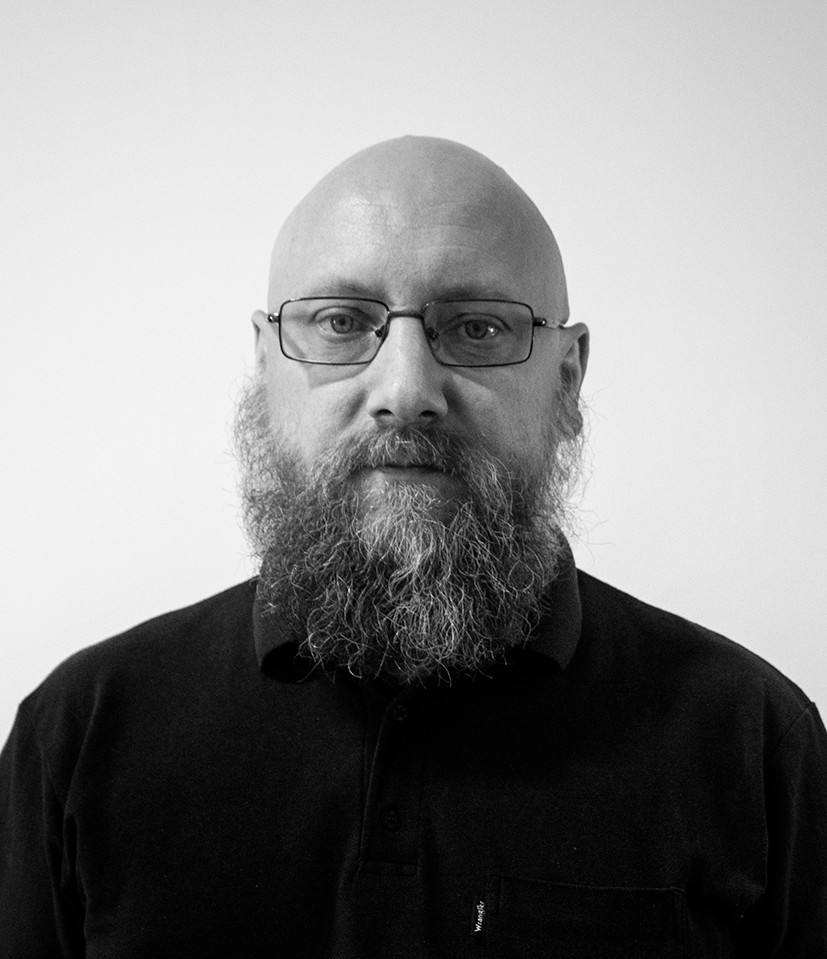
Nikolay Petyaev
Read More

From 2001 to 2012, after graduating from university as a programmer-mathematician, I founded several businesses in different industries: retail (2001–2003), federal wholesale distribution (2003–2010), and a travel agency in Cambodia (2010–2012). This business experience gave me a deep understanding of how to build and manage companies under conditions of uncertainty and how to put them on a path of independent development.
Since 2013, I have worked fully in education and consulting. I developed a theory describing the dynamic structure of consciousness under the title Structural Personality Typology in the Language of MBTI. My theory is a systemic extension of Jungian personality typology using MBTI notation: I integrated my own management practice, elements of applied philosophy, and a level-based model of personality into a unified framework.
The result is a tool that allows leaders to clearly see both their own inner architecture and the architecture of their team — strengths, limitations, areas of maximum growth, and developmental trajectories.
From 2014 to 2021, I continued my academic education. I completed two master’s degrees in psychology and psychological counseling, as well as a PhD dissertation in the philosophy of science and technology, at what were then among the strongest academic institutions in Russia and England. This genuine academic foundation made it possible for me to create educational courses grounded in rigorous humanistic theory while still addressing practical business challenges.
Today I continue to design and teach courses for leaders, entrepreneurs, business consultants, and fellow psychologists, while also working as a consultant. In this field, my clients are people who are not looking for superficial techniques or the approval of a “guru mentor,” but for systemic tools that enable independent work on themselves and their teams with a new level of depth and precision.
[ author and course leader ]
Nikolay Petyaev
Read More
From 2001 to 2012, after graduating from university as a programmer-mathematician, I founded several businesses in different industries: retail (2001–2003), federal wholesale distribution (2003–2010), and a travel agency in Cambodia (2010–2012). This business experience gave me a deep understanding of how to build and manage companies under conditions of uncertainty and how to put them on a path of independent development.
Since 2013, I have worked fully in education and consulting. I developed a theory describing the dynamic structure of consciousness under the title Structural Personality Typology in the Language of MBTI. My theory is a systemic extension of Jungian personality typology using MBTI notation: I integrated my own management practice, elements of applied philosophy, and a level-based model of personality into a unified framework.
The result is a tool that allows leaders to clearly see both their own inner architecture and the architecture of their team — strengths, limitations, areas of maximum growth, and developmental trajectories.
From 2014 to 2021, I continued my academic education. I completed two master’s degrees in psychology and psychological counseling, as well as a PhD dissertation in the philosophy of science and technology, at what were then among the strongest academic institutions in Russia and England. This genuine academic foundation made it possible for me to create educational courses grounded in rigorous humanistic theory while still addressing practical business challenges.
Today I continue to design and teach courses for leaders, entrepreneurs, business consultants, and fellow psychologists, while also working as a consultant. In this field, my clients are people who are not looking for superficial techniques or the approval of a “guru mentor,” but for systemic tools that enable independent work on themselves and their teams with a new level of depth and precision.
[ educational background ]
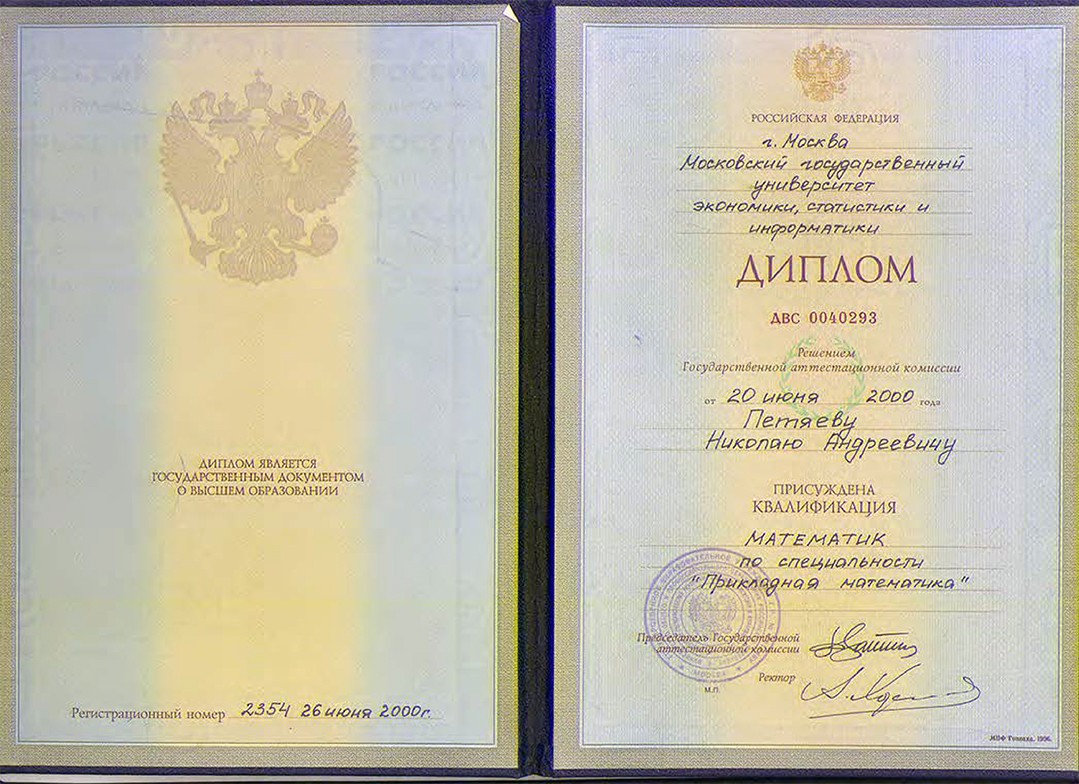
1995–2000
Moscow State University of Economics, Statistics and Informatics
Faculty: Applied Mathematics
Qualification: Mathematician, specialization in Applied Mathematics
1995–2000
Moscow State University of Economics, Statistics and Informatics
Faculty: Applied Mathematics
Qualification: Mathematician, specialization in Applied Mathematics
2014–2016
Moscow School of Social and Economic Sciences (Shaninka)
Faculty: Psychological Counseling
Qualification: Master of Psychology (with distinction)

2014–2016
Moscow School of Social and Economic Sciences (Shaninka)
Faculty: Psychological Counseling
Qualification: Master of Psychology (with distinction)
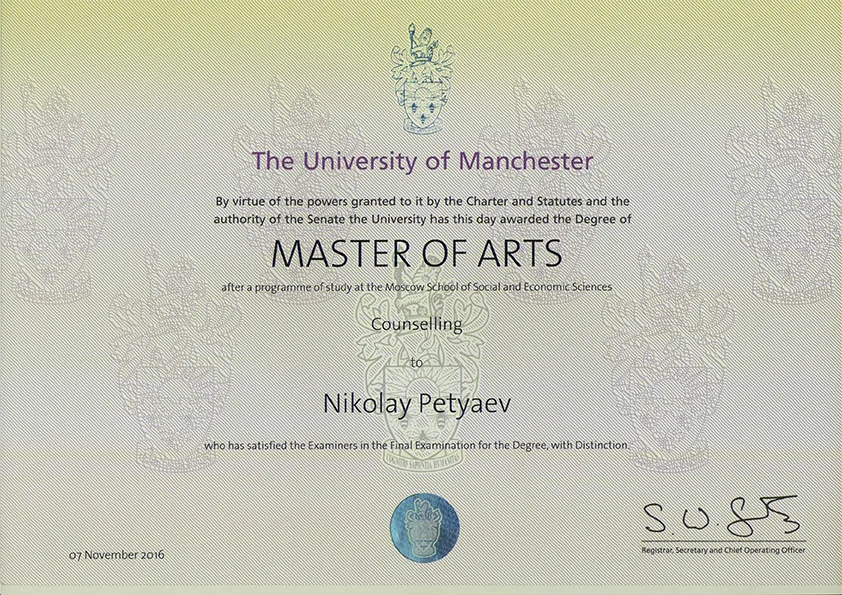
2016
The University of Manchester (UK)
Qualification: Master of Arts (MA) in Counselling
2016
The University of Manchester (UK)
Qualification: Master of Arts (MA) in Counselling
2016–2019
Institute of Philosophy, Russian Academy of Sciences
Program: Postgraduate studies in philosophy, ethics, and religious studies
Qualification: Researcher. Lecturer-Researcher

2016–2019
Institute of Philosophy, Russian Academy of Sciences
Program: Postgraduate studies in philosophy, ethics, and religious studies
Qualification: Researcher. Lecturer-Researcher
2019–2021
Institute of Philosophy, Russian Academy of Sciences
Qualification: Candidate of Philosophical Sciences
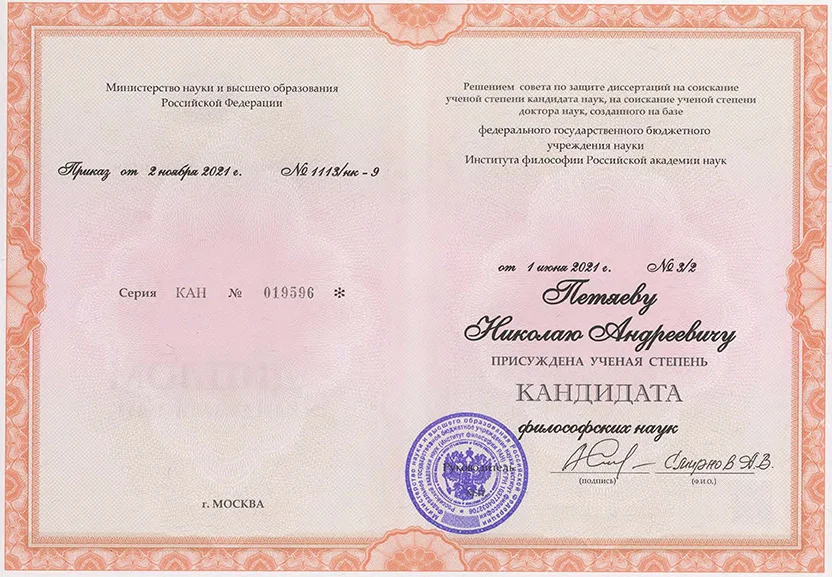
2019–2021
Institute of Philosophy, Russian Academy of Sciences
Qualification: Candidate of Philosophical Sciences

Academy of
Structural
Typology
© 2026 Academy of Structural Typology.
All rights reserved.
Academy of
Structural
Typology
© 2026 Academy of Structural Typology.
All rights reserved.
Academy of
Structural
Typology
© 2026 Academy of Structural Typology.
All rights reserved.